• Skip to main content
  • Skip to secondary menu
  • Skip to footer

Virtual Travel Guide

Top Travel Destinations in Digital Media

  • Sponsored Post
  • About
    • GDPR Compliance Statement
  • Contact

How to avoid holiday fraud

June 8, 2024 By admin Leave a Comment

Avoiding holiday fraud requires vigilance and a careful approach to planning and booking your trips. Fraudsters often prey on the excitement and urgency surrounding holiday preparations, making it crucial to stay informed and cautious.

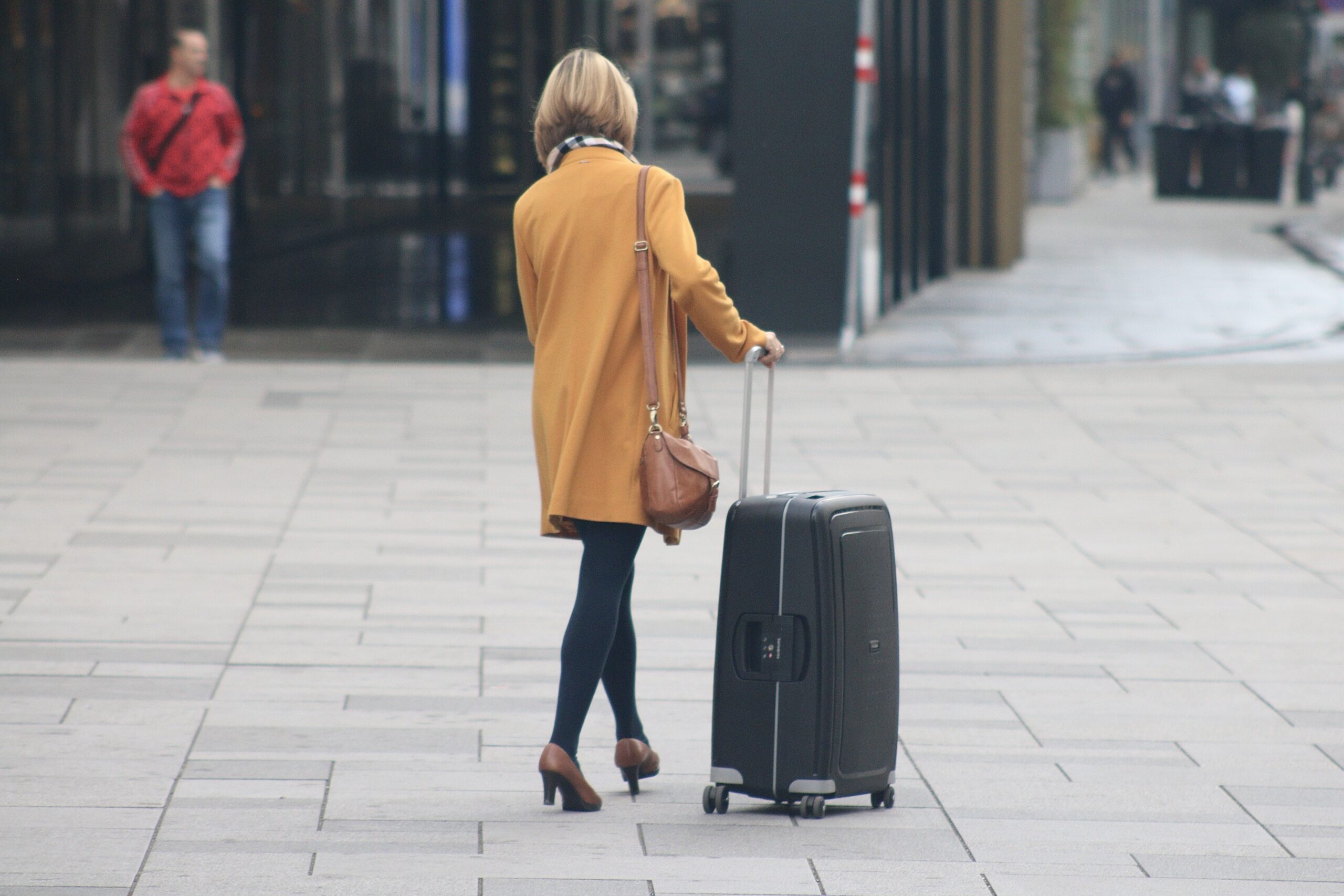
In the image, a woman dressed in a mustard coat and dark tights walks alone through a modern city square, her hand gripping the handle of a sleek, black suitcase. The urban setting, with its clean lines and reflective surfaces, seems deceptively serene. Yet, the woman’s solitary figure amidst the sparse crowd underscores a sense of vulnerability. Her stylish attire and travel gear mark her as a tourist, a potential target for travel fraud. Around her, the seemingly ordinary passersby could harbor hidden threats, each glance and movement potentially masking ill intentions. The distant figure in a red jacket, seemingly indifferent, could be a watchful predator, waiting for an opportunity to strike. The expansive, empty spaces around her amplify the sense of isolation and potential danger, hinting at the unseen perils that travelers like her must navigate. This image poignantly captures the precarious balance between the excitement of exploring new places and the lurking dangers that accompany it, reminding us of the importance of vigilance and precaution in every step of our journey.
How to avoid holiday fraud

Here are several strategies to help you safeguard your holiday plans from potential scams:

Firstly, always book your holidays through reputable and well-known travel agencies or websites. Check for accreditation with recognized organizations such as the International Air Transport Association (IATA) or the Association of British Travel Agents (ABTA). These affiliations provide a layer of credibility and consumer protection. When using online platforms, scrutinize reviews and ratings from previous customers to gauge the reliability of the service provider. Beware of deals that appear too good to be true, as they often are. Unrealistically low prices and high-pressure sales tactics can be red flags for fraudulent schemes.

Secondly, ensure the website you are booking through is secure. Look for the padlock symbol in the address bar and make sure the URL begins with “https://” rather than “http://”. Secure websites encrypt your data, making it more difficult for cybercriminals to intercept your information. Additionally, avoid clicking on links from unsolicited emails or advertisements on social media, as these can lead to phishing sites designed to steal your personal and financial information.

Another critical measure is to verify the authenticity of the accommodation and travel arrangements. Contact the hotel or airline directly to confirm your reservation. This step can help you avoid situations where fraudulent websites take your money without actually booking your stay or flight. If possible, use a credit card for bookings, as credit card companies often provide additional protection against fraud. In contrast, bank transfers or debit card payments offer less recourse in the event of a scam.

Be cautious of last-minute changes or additional requests for personal information. Scammers might pose as travel agents or airline representatives and request further payments or sensitive data. If you receive such communications, always verify their legitimacy independently by contacting the company directly using a verified phone number or email address.

Lastly, educate yourself about common scams and stay informed about new and emerging fraud tactics. Join travel forums, follow credible travel blogs, and keep abreast of news related to holiday fraud. By staying informed, you can recognize the warning signs and protect yourself from becoming a victim.

Incorporating these practices into your holiday planning routine can significantly reduce the risk of falling prey to holiday fraud. Remember, a cautious approach is your best defense against the myriad of scams that target eager travelers. Enjoy your holidays with peace of mind by staying vigilant and making informed decisions.

Filed Under: News

Reader Interactions

Leave a Reply Cancel reply

Your email address will not be published. Required fields are marked *

Footer

Recent Posts

  • Sintra at Noon, Venice at Midnight: Six European Cities and the Hour That Suits Them
  • Porto’s Chestnut Season Is the Shoulder Season Worth Booking
  • Venice at Night Is the Version No Access Fee Covers
  • The 18th-Century Fountain Hidden Inside Bordeaux’s Customs Museum Courtyard
  • The Bilbao Effect, 500 Years Early: Jerónimos Monastery And The Guggenheim
  • Bilbao’s Quiet Renaissance: From Industrial Port to Design Destination
  • Lisbon’s Seven Hills: A Walking Guide That Tells You the Truth
  • New Orleans: An American City That Plays by Different Rules
  • Ha Long Bay Without the Cruise Brochure
  • Istanbul at the Threshold: A City That Has Always Been Two Things at Once

Travel Marketing

  • Travel Marketing
  • Peppers.org
  • Ancient Rome
Why Lisbon Cafés Are Putting Up No Laptops Signs: Coffee, Instagram, and the Remote Work Terrace
Four in Ten Travelers Visit Landmarks Mainly for the Photo: How Instagram and Reels Reshaped Tourism
Why Comporta Still Feels Empty: The Rice Estate Behind Portugal’s Most Coveted Beaches
Travel in 2026: Five Photos That Explain the Year’s Real Trends
Tiny Tourism: Why Travellers Are Choosing Towns Nobody Photographs
In Defence of the Hop-On Hop-Off Bus
EasyJet Agrees £5.7bn Apollo Takeover: What Changes for Passengers and What Doesn’t
Taormina Beach Guide: Mazzarò, Isola Bella, and What Nobody Tells You About the Pebbles
Juliet’s Balcony in Verona Was Added in the 1930s and the Crowds Do Not Care
St Mark’s Basilica in Venice: The Gold Mosaics Are Dimmer Than the Photographs Suggest
Bistecca alla Fiorentina, Sold by the Kilo and Sliced Too Soon
Every Food Festival Has One Chokepoint, and It’s the Condiment Table
Confessions of a Salad Cynic: How Fiery Mexican Bean Salad Made Me Reconsider Rabbit Food
How Tabasco Sauce Is Made
The Rustic Perfection of a Freshly Baked Country Loaf
A Plate of Bold Contrasts: Avocado Toast with Seared Beef and Red Pepper Sauce
Gravlax, Guacamole and Ciabatta, A Countertop Still Life
Rigatoni with Meatballs, A Bowl That Knows What It’s Doing
Ciabattas, 240°C, No Time to Wait
A Seoul-Inspired Lunch That Arrives Like a Little Ceremony
Roman Concrete in Museum Fragments: What the Cross-Section Actually Shows
Roman Sarcophagi Spent More Time as Fountains and Church Tombs Than as Graves
Aquincum Museum Reconstructs 16 Roman Faces From Skulls Found on Budapest's Danube Frontier
Roman Public Latrines Reveal an Empire That Built Sanitation Without Achieving Hygiene
Who Cleaned Roman Rome: The Social Economy of Waste
Water Across the Empire: Roman Aqueducts and the Hydraulic Logic of Conquest
The Pont du Gard: Rome's Most Perfect Structure
The Oath of the Horatii: David's Roman Republic in Paint
Spartacus: Blood and Sand — History as Exploitation
Spartacus (2010–2013): The Show That Earned Its Excess

Media Partners

  • Brands to Shop
  • pho.tography.org
  • Marketing Development
Grey Wool, Navy and One Red Knit: How to Shop This Night Street Look
Mirrored Sunglasses and Chrome Nails: How to Shop the Blue Metallic Creator Look
Navy Striped Polo Dress and Straw Hat: How to Shop the Beach Cover-Up Look
Pastel Sports Bra and High-Waist Leggings: How to Shop the Matched Activewear Look
Red Strappy Sandals and a Red Mini Bag: What to Buy to Copy This Look
The Black Tee and Beat-Up Jeans: How to Buy Street Style's Most Durable Formula
Why Europeans Look Put Together in Casual Clothes: The Rules Hiding in a Madrid Street Photo
Binoculars Buying Guide: What to Buy When You're Not a Birder
Cream Shearling Coat, Black Chelsea Boots: How to Shop This Italian Street Look
Black and White Striped Wide-Leg Trousers: Where to Shop the Whole Look
Wet Paving at Night: A Handheld Street Frame of Two Runners and a Collie
How to Cut Clutter Out of Ultra-Wide Photos at Trade Shows and Crowded Events
Street Photography Dos and Don'ts: Shooting a Crowded Promenade With a Long Lens
Shooting Wide Open at Night: Why a Fast Prime Beats a High ISO Body
Theatre Light Is a Trap: Metering, Shutter Speed and Silent Mode for Stage Photography
Shooting Through a Wet Train Window: Focus, Reflections, and the One Pass You Get
Robot Photo Booths at Events: What a Rolling Ring Light Can and Cannot Shoot
The Art of the High-Angle Cutaway: How a Two-Person Crew Covers a Whole City From One Balcony
Him, Her: A Photograph That Works Like a Renaissance Diptych
Photo Walks: Why a Group of Twenty Photographers Shoots Less Than One Person Alone
Social Media Marketing: Why Follower Growth Rewards a Repeatable Format
The Photo Walk as Brand Activation: Twenty Attendees, Hundreds of Assets, and Almost No Media Spend
AI Tools and Live Events Top 2026 Marketing Budgets: Brands Are Funding the Slop and the Escape at Once
Class A Malls Are Beating E-Commerce and the Dome Is Why
Silicon Valley's Two Percent Joke and the Real Gender Numbers at Tech Conferences
Tour Buses Are Ad Inventory: What a Madrid City Tour Wrap Actually Sells
VIP Marketing at Conferences: Why Executive Programs Fail the Executives
Which Websites Survive AI Search and Which Ones Don't
Pena Palace, Venice, and Prague: Four Travel Frames That Skip the Standard Angle
Stunt Marketing Economics: What a Street Activation Actually Buys and How to Price It

Copyright © 2022 VirtualTravelGuide.com

Market Analysis & Market Research