• Skip to main content
  • Skip to secondary menu
  • Skip to footer

Virtual Travel Guide

Top Travel Destinations in Digital Media

  • Sponsored Post
  • About
    • GDPR Compliance Statement
  • Contact

Navigating Global Travel Risks in 2025: Insights from the Risk Map

December 3, 2024 By admin

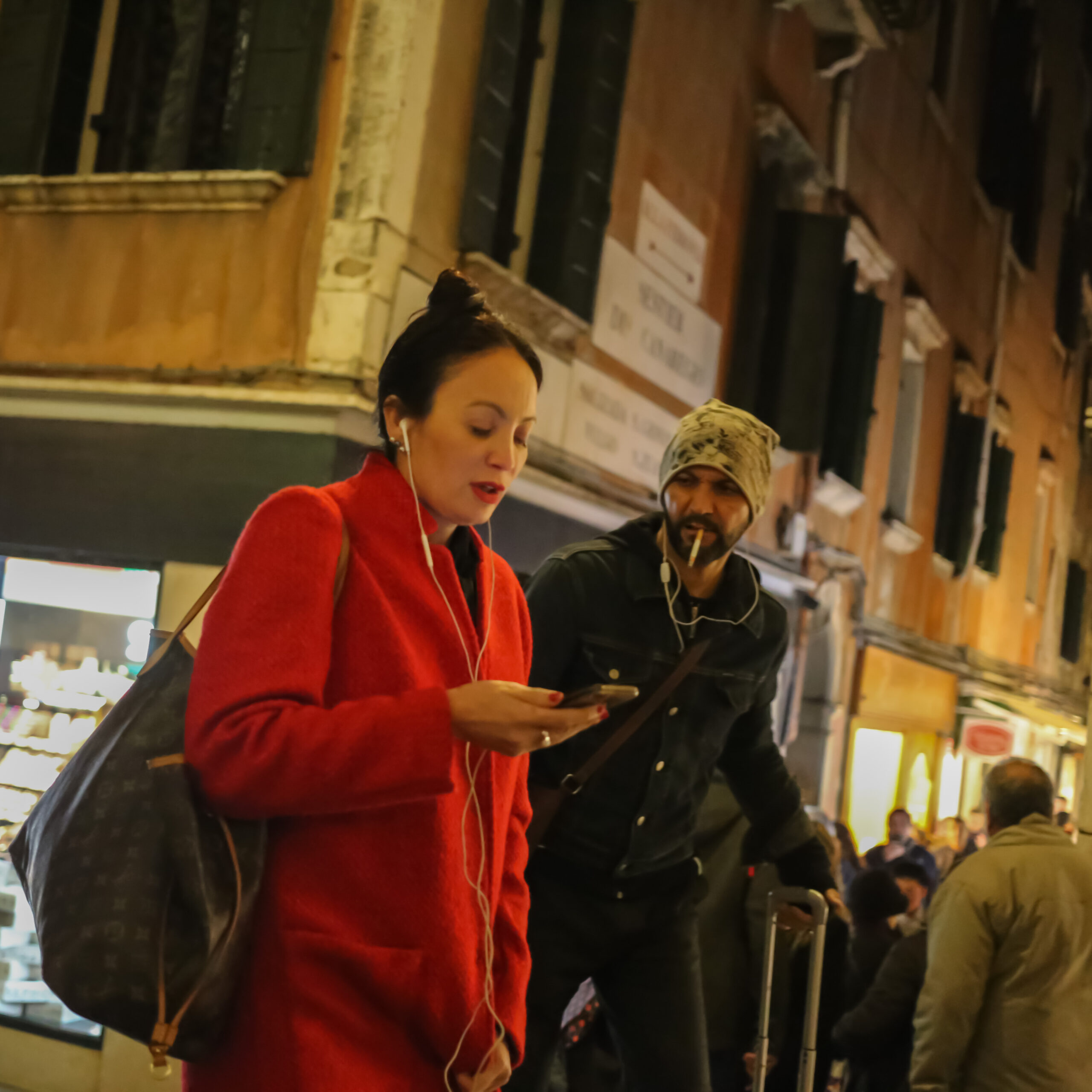
The image captures an unsettling urban scene at night, set against the backdrop of Venice, with its warm amber tones and weathered facades. The street is lively but intimate, illuminated by soft artificial light spilling from shop windows and street lamps. In the foreground, a young woman in a striking red coat, wearing earphones, walks while engrossed in her phone. Her expression suggests focused intent, but she appears unaware of her immediate surroundings.

Directly behind her, a man with a rugged appearance trails her closely. He sports a knit cap and a cigarette dangling from his lips, his demeanor emitting a rough and intrusive energy. His body language—leaning slightly forward while wheeling a suitcase—gives the impression of deliberate pursuit. The contrasting composure between the two figures amplifies the tension in the scene, presenting an unspoken narrative of discomfort or harassment.

The vibrant color of the woman’s coat accentuates her as a focal point and symbolizes vulnerability amid the bustling environment. The dynamic of an oblivious traveler and an intimidating figure lurking close behind reflects a broader cautionary tale about personal safety while exploring unfamiliar settings. This imagery powerfully underscores the importance of situational awareness and vigilance, as emphasized in the Risk Map’s guidance for travelers navigating uncertain environments.
Navigating Global Travel Risks

As global travel enters 2025, a new level of caution is reshaping how individuals and businesses plan their journeys. The recently unveiled Risk Map 2025, created by Safeture and Riskline, serves as a comprehensive and interactive tool, offering a nuanced perspective on worldwide travel risks. Its real-time updates on security, health, environmental conditions, and crime levels are poised to redefine the travel landscape for the coming year.

The map paints a troubling picture of escalating risks in numerous regions. A striking example is the Middle East, where conflict and instability have rendered Israel, the West Bank, Gaza, Lebanon, and Iran some of the world’s most dangerous destinations. New Caledonia also saw a dramatic downturn in its security situation. Additionally, nations like Burkina Faso, Libya, Myanmar, and long-term high-risk zones such as Somalia, Syria, Sudan, Yemen, and Ukraine remain deeply unsafe for travelers. This year, these findings highlight the urgent need for robust risk management when planning international trips.

Europe, traditionally seen as a bastion of stability, is undergoing notable shifts in its risk profile. Political unrest, increased demonstrations, and environmental vulnerabilities have pushed France, Spain, Sweden, and the UK into the moderate risk category. Italy, the Netherlands, and Poland have also experienced rising instability. Despite this, parts of Europe continue to be among the safest places globally, with countries like Germany, Switzerland, and the Nordic nations leading in safety rankings.

On a brighter note, there are pockets of improvement and safety worldwide. Destinations such as Canada, Australia, New Zealand, Singapore, and Japan remain exceptionally safe, offering peace of mind for travelers seeking hassle-free adventures. Encouraging trends can also be seen in Argentina, Armenia, Morocco, and Cuba, where the risk levels have decreased to ‘moderate.’ Among global cities, Bern, Doha, and Melbourne top the list for safety, offering urban travelers a secure experience in an increasingly unpredictable world.

However, even renowned vacation spots face challenges. The Maldives, once synonymous with tranquility, is now marked as medium risk due to a mix of political instability, rising social tensions, and the existential threat of climate change. Coastal erosion and flooding add to the list of concerns, reminding travelers that paradise is not immune to broader global trends.

The Risk Map also underscores the critical importance of healthcare access while traveling. In countries like Afghanistan, Haiti, and Venezuela, weak health infrastructures and a lack of essential medical supplies amplify risks. Diseases manageable in well-equipped nations pose serious threats in these regions, making thorough preparation essential.

By categorizing risks into five tiers—low, moderate, medium, high, and extreme—Safeture and Riskline provide a granular understanding of global conditions. This tool empowers travelers to navigate complexities with greater confidence, ensuring that leisure and business trips are not only enjoyable but also safe.

Filed Under: News

Footer

Recent Posts

  • Largo do Chiado at Night: A Brasileira, the Bronze Poet and a Floor Made of Waves
  • Sintra at Noon, Venice at Midnight: Six European Cities and the Hour That Suits Them
  • Porto’s Chestnut Season Is the Shoulder Season Worth Booking
  • Venice at Night Is the Version No Access Fee Covers
  • The 18th-Century Fountain Hidden Inside Bordeaux’s Customs Museum Courtyard
  • The Bilbao Effect, 500 Years Early: Jerónimos Monastery And The Guggenheim
  • Bilbao’s Quiet Renaissance: From Industrial Port to Design Destination
  • Lisbon’s Seven Hills: A Walking Guide That Tells You the Truth
  • New Orleans: An American City That Plays by Different Rules
  • Ha Long Bay Without the Cruise Brochure

Travel Marketing

  • Travel Marketing
  • Peppers.org
  • Ancient Rome
TOURISE Summit 2027: March 23-25, Riyadh, Saudi Arabia
Wrocław’s Market Square in Fisheye: Why I Kept the Distortion
Salamanca’s Stone Faces: A Photo Essay in Five Frames
Europe’s Tourist Crime Belt: Pickpockets, Bracelet Scams, and Why the Same Offenders Keep Working
The Beach Racket in Italy, Greece and Spain: Turnstiles, Cheap Concessions, and a Shoreline You Can’t Reach
Why Lisbon Cafés Are Putting Up No Laptops Signs: Coffee, Instagram, and the Remote Work Terrace
Four in Ten Travelers Visit Landmarks Mainly for the Photo: How Instagram and Reels Reshaped Tourism
Why Comporta Still Feels Empty: The Rice Estate Behind Portugal’s Most Coveted Beaches
Travel in 2026: Five Photos That Explain the Year’s Real Trends
Tiny Tourism: Why Travellers Are Choosing Towns Nobody Photographs
Bistecca alla Fiorentina, Sold by the Kilo and Sliced Too Soon
Every Food Festival Has One Chokepoint, and It’s the Condiment Table
Confessions of a Salad Cynic: How Fiery Mexican Bean Salad Made Me Reconsider Rabbit Food
How Tabasco Sauce Is Made
The Rustic Perfection of a Freshly Baked Country Loaf
A Plate of Bold Contrasts: Avocado Toast with Seared Beef and Red Pepper Sauce
Gravlax, Guacamole and Ciabatta, A Countertop Still Life
Rigatoni with Meatballs, A Bowl That Knows What It’s Doing
Ciabattas, 240°C, No Time to Wait
A Seoul-Inspired Lunch That Arrives Like a Little Ceremony
Mapping 186,000 Miles of Roman Roads Shows Rome Was Never the Empire's Main Hub
How Much Silver Was in a Roman Denarius? Debasement Tables From Augustus to Diocletian
Ausonius, the Roman Poet Behind Saint-Émilion's Most Famous Wine
Roman Concrete in Museum Fragments: What the Cross-Section Actually Shows
Roman Sarcophagi Spent More Time as Fountains and Church Tombs Than as Graves
Aquincum Museum Reconstructs 16 Roman Faces From Skulls Found on Budapest's Danube Frontier
Roman Public Latrines Reveal an Empire That Built Sanitation Without Achieving Hygiene
Who Cleaned Roman Rome: The Social Economy of Waste
Water Across the Empire: Roman Aqueducts and the Hydraulic Logic of Conquest
The Pont du Gard: Rome's Most Perfect Structure

Media Partners

  • Brands to Shop
  • pho.tography.org
  • Marketing Development
Red Polka-Dot Dress and Rust Platform Sandals: How to Shop This Sarlat Street Style Look
Lululemon Cut Its Outlook Twice This Year as Alo and Vuori Take the Premium Customer
What to Wear in Europe in October: A Shop-the-Look Guide From Prague
Grey Wool, Navy and One Red Knit: How to Shop This Night Street Look
Mirrored Sunglasses and Chrome Nails: How to Shop the Blue Metallic Creator Look
Navy Striped Polo Dress and Straw Hat: How to Shop the Beach Cover-Up Look
Pastel Sports Bra and High-Waist Leggings: How to Shop the Matched Activewear Look
Red Strappy Sandals and a Red Mini Bag: What to Buy to Copy This Look
The Black Tee and Beat-Up Jeans: How to Buy Street Style's Most Durable Formula
Why Europeans Look Put Together in Casual Clothes: The Rules Hiding in a Madrid Street Photo
Can a Website With Only Original Photos Rank on Google Without Text?
Canon EOS R8 Mark II vs EOS R8: IBIS and a Joystick for $400 More
Vintage Lenses on APS-C and Micro Four Thirds: Crop Factor, Flange Distance and Speed Booster Tables
OpenAI Buys Glass Imaging for Over $300M, Triple Its 2025 Valuation
Why Sony Camera Menus Are So Confusing, Even After the 2020 Redesign
Wedding Photography: The Best Frames Happen Between the Poses
55th World Used Camera Fair Runs Through September 9 at Matsuya Ginza
Golden Hour on the Promenade: Five Walkers, One Unplanned Frieze
Why a Fisheye Is the Natural Lens for Cathedral Interiors
Wet Paving at Night: A Handheld Street Frame of Two Runners and a Collie
Five European Travel Moments: Wrocław, Lisbon, Venice, Prague, and Sicily
Social Media Marketing: Why Follower Growth Rewards a Repeatable Format
The Photo Walk as Brand Activation: Twenty Attendees, Hundreds of Assets, and Almost No Media Spend
AI Tools and Live Events Top 2026 Marketing Budgets: Brands Are Funding the Slop and the Escape at Once
Class A Malls Are Beating E-Commerce and the Dome Is Why
Silicon Valley's Two Percent Joke and the Real Gender Numbers at Tech Conferences
Tour Buses Are Ad Inventory: What a Madrid City Tour Wrap Actually Sells
VIP Marketing at Conferences: Why Executive Programs Fail the Executives
Which Websites Survive AI Search and Which Ones Don't
Pena Palace, Venice, and Prague: Four Travel Frames That Skip the Standard Angle

Copyright © 2022 VirtualTravelGuide.com

Market Analysis & Market Research