Palermo’s cathedral and grand squares deserve their reputation, but there is another side to the city that is easier to miss. Behind entrances and along the edges of busy streets, courtyards open into spaces that seem to belong to a quieter Palermo. Their arches, stone columns and changing light make them worth noticing even on a day already crowded with famous sights.
The pleasure here is in slowing down. A courtyard may be the first place where the noise of the street fades, or where a row of arches suddenly gives a sense of the building’s scale. It is also a reminder that Palermo’s architecture was built for more than photographs. These were working spaces, passageways and places of daily life.
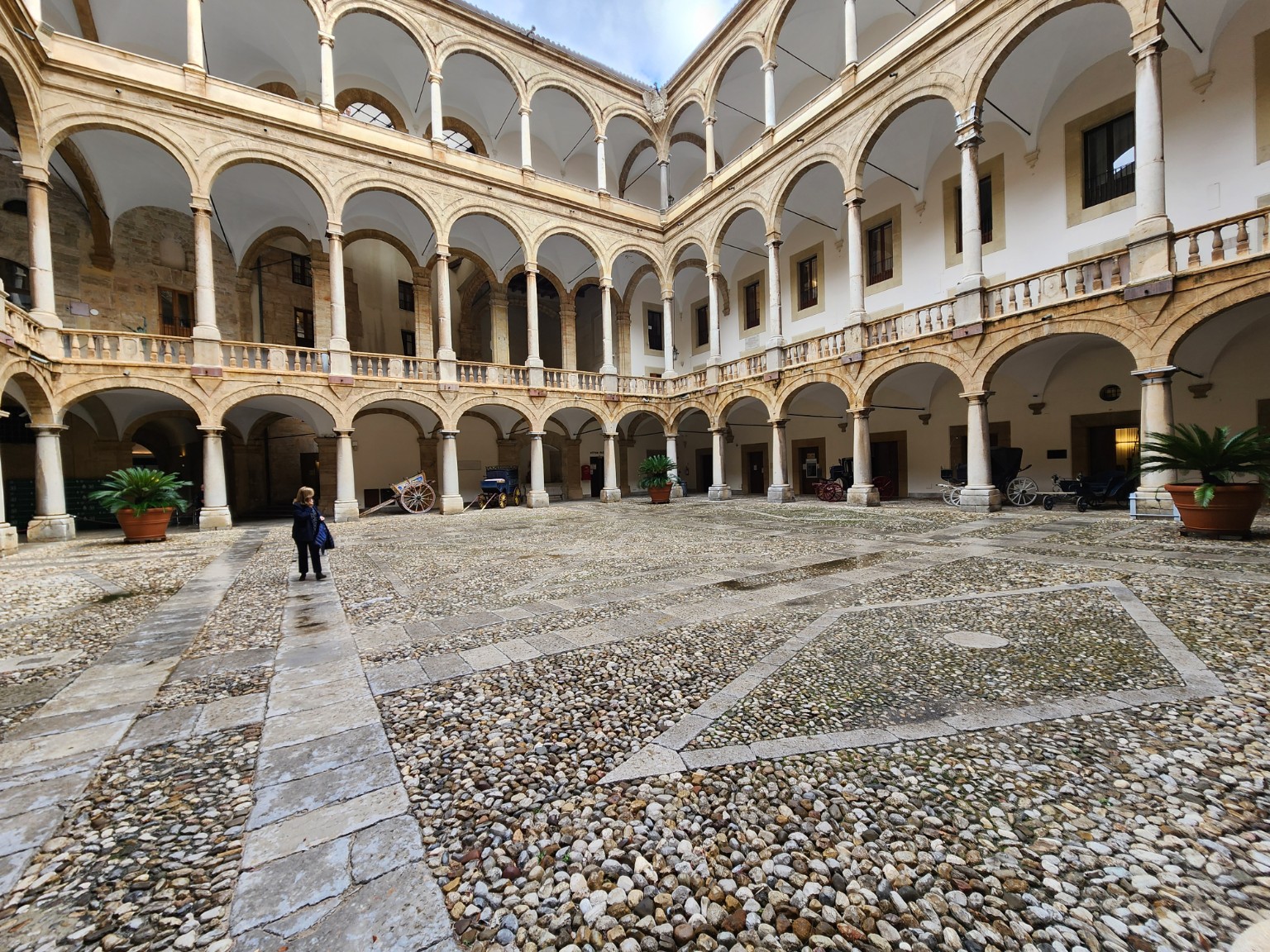
Look at the repeated arches and the way the open central space draws the eye inward. Even without a famous monument at its center, the geometry is striking. The same feeling returns in smaller spaces, where older stonework and newer uses sometimes share a single view.
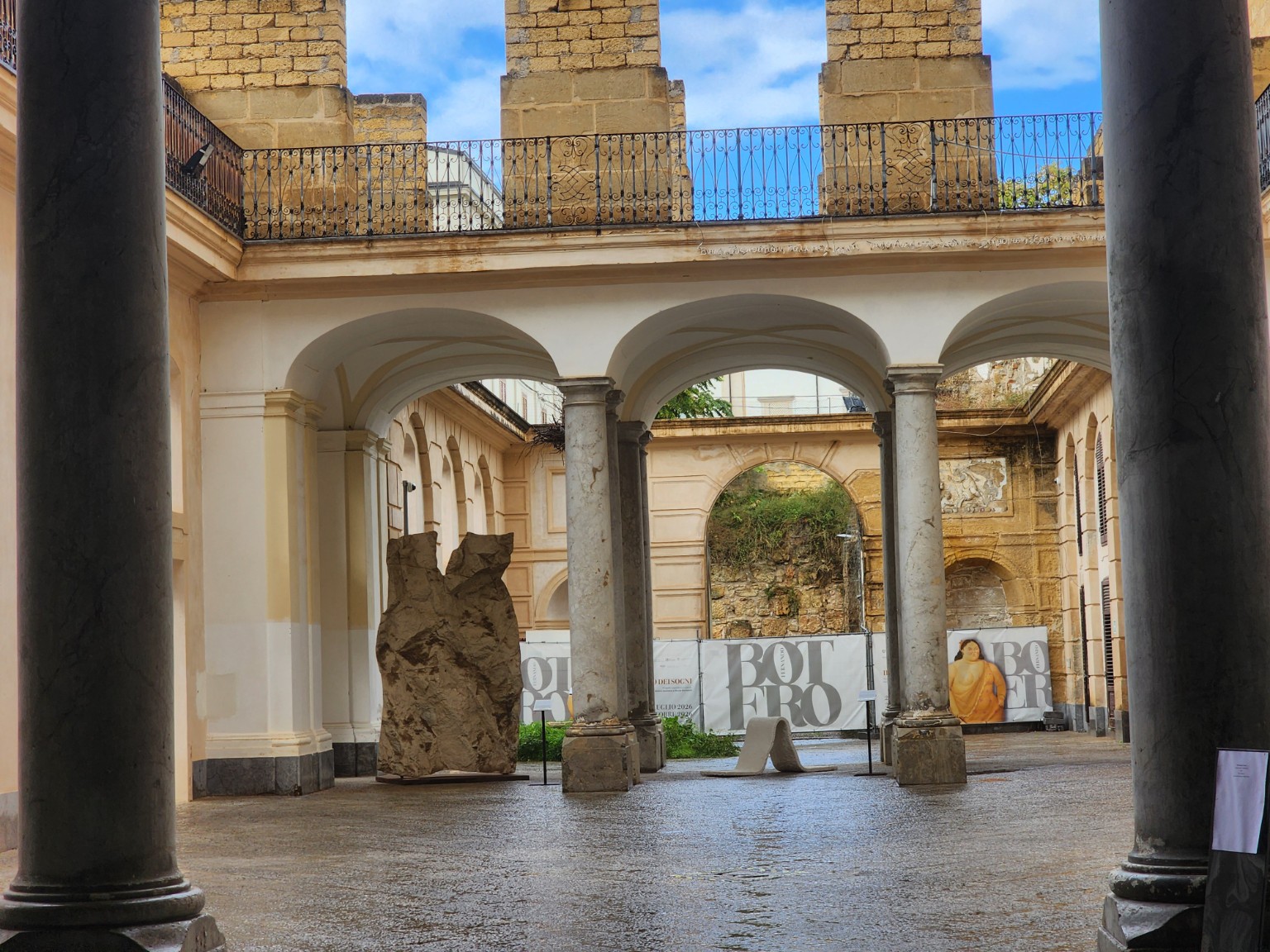
That mix of old and new is part of what makes the city interesting. The historic center is no sealed museum. Contemporary objects and ordinary movement sit alongside buildings that have been altered repeatedly over centuries.
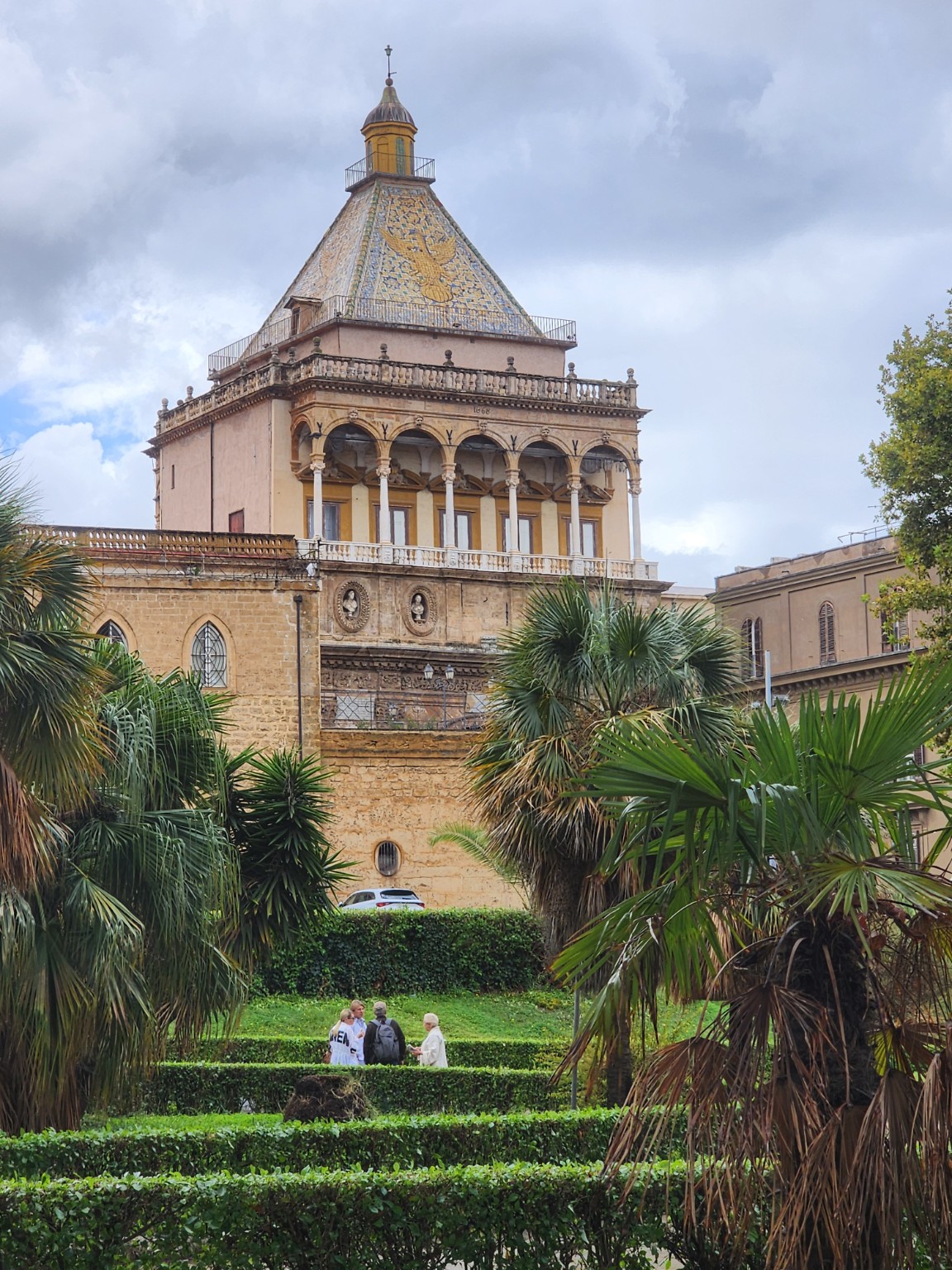
Keep looking upward, too. Rooflines, balconies and small decorative features often tell as much about a street as its main attraction. Palermo is especially rewarding when the walk itself becomes the destination.
For the major landmarks, see the Palermo must-see guide. Pair it with an unhurried stroll and allow time for the details between the stops.