• Skip to main content
  • Skip to secondary menu
  • Skip to footer

Virtual Travel Guide

Top Travel Destinations in Digital Media

  • Sponsored Post
  • About
    • GDPR Compliance Statement
  • Contact

Sintra at Noon, Venice at Midnight: Six European Cities and the Hour That Suits Them

August 30, 2026 By admin Leave a Comment

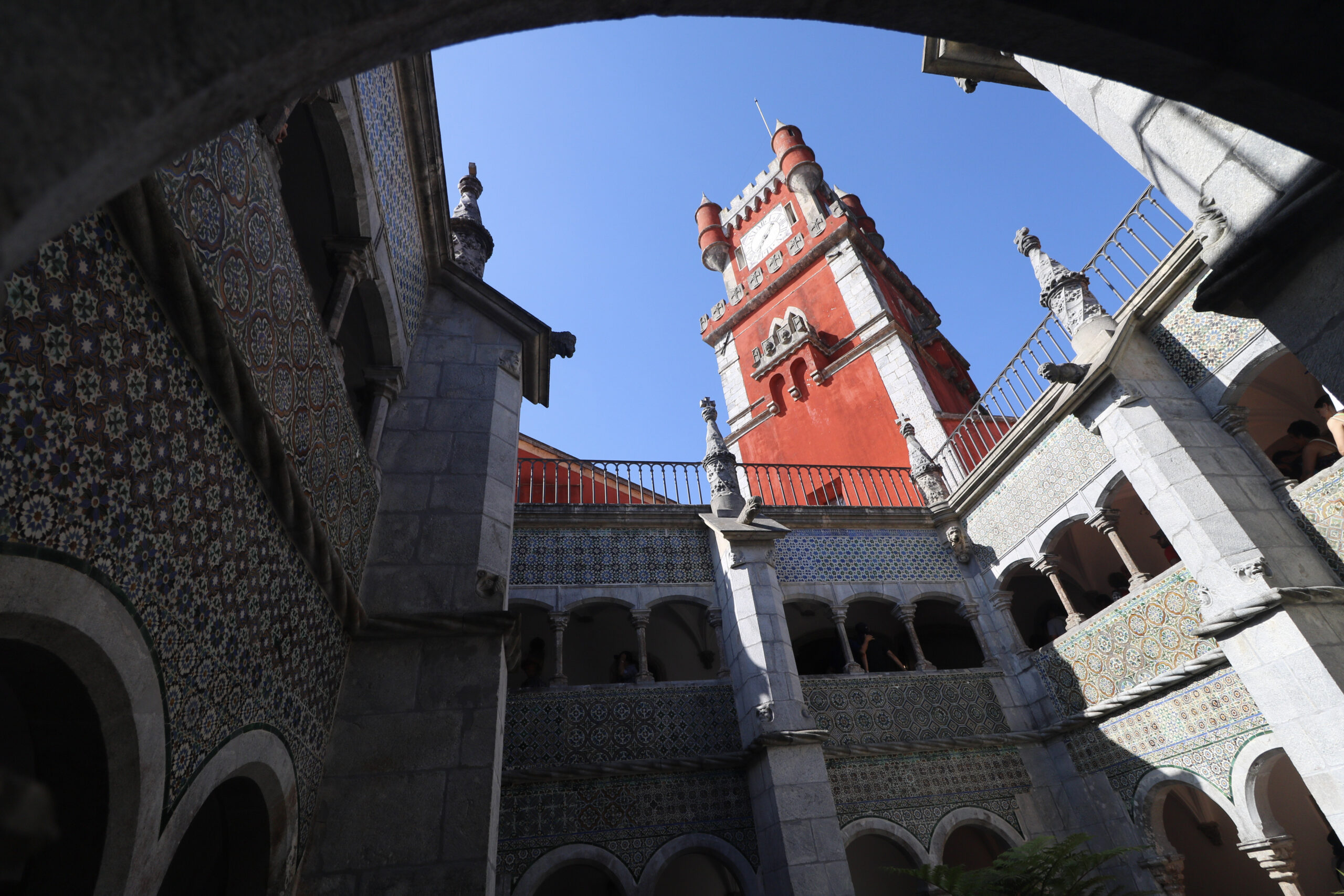
The tiled cloister of Pena Palace in Sintra, looking up past azulejo walls to the red clock tower against a deep blue sky

Photo essay · Six frames

A tiled cloister at noon, an empty campo near midnight, a beer garden in the twenty minutes when the sky still holds its blue.

Portugal · Italy · France · Germany · Spain

Every guide tells you where to stand. Very few tell you when, and when is usually the part that decides whether you keep the photograph or the memory. The six frames below come from four countries and about six different hours of the clock. Most of the buildings in them are famous. What makes them work is the light that happened to be falling when I got there.

Read them as a small argument about timing. Not one of these hours is the hour a schedule would have picked for you.


Frame 01 · Sintra, about one in the afternoon

The hour every photographer is told to avoid

The frame at the top of this page was taken at the worst possible time of day, by the usual rules. Sun overhead, shadows short and black, sky at full saturation. In the cloister of Pena Palace it stops mattering, because the courtyard behind those arches is essentially a light box. Ferdinand II kept the old monastery cloister when he built his fantasy around it in the 1840s, and its walls are tiled from floor to cornice. The azulejos throw light back at each other all afternoon, so the shaded arcade never goes muddy while the clock tower burns red above it.

The practical version: the terraces at Pena are punishing at midday and the queue for them is worse, but the interior courtyards are shaded on one side and half empty while everyone else is outside squinting at the view. Go in when the light is hardest. Come out for the terraces later.
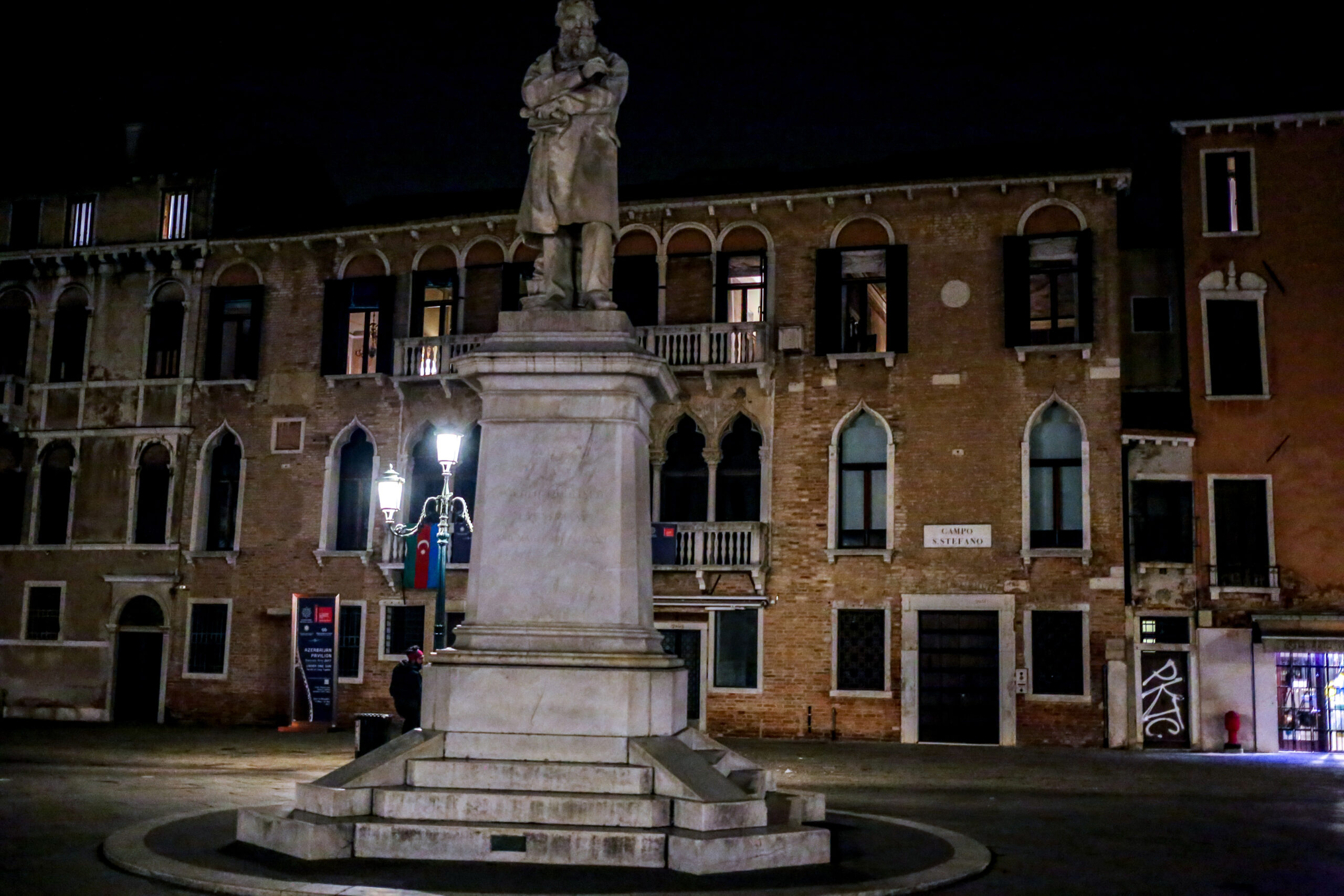
Campo Santo Stefano in Venice late at night, the marble monument to Niccolo Tommaseo lit by a street lamp in front of a Gothic palazzo

Frame 02 · Venice, near midnight

When a square turns back into a room

Campo Santo Stefano at this hour holds one man, one bicycle and a statue. The statue is Niccolò Tommaseo, writer and 1848 revolutionary, and Venetians have called him Cagalibri for well over a century because of the stack of marble books piled behind his legs. Nobody explains this on the plinth. You have to be told, ideally by someone slightly delighted to tell you.

The banner on the palazzo behind him belongs to a Biennale pavilion, which in daylight means a slow shuffle of visitors across the paving. After eleven the campo empties, the lamps take over, and the proportions of the place finally read the way they were designed to.

Where you stand is a decision you make once, from a map. When you stand there is a decision you make again every day of the trip, usually badly, usually while hungry.

Frame 03 · Bordeaux, mid afternoon

Stand in the shade, shoot at the light

Rue Sainte-Catherine runs for more than a kilometre through the middle of Bordeaux and is usually described as one of the longest pedestrian shopping streets in Europe. On a warm afternoon it is a river of people, which is exactly the problem: photographed head on, it looks like every high street anywhere.

The fix is to step sideways into one of the dark side lanes and wait. The lane frames the bright street like a proscenium, the limestone at the far end goes creamy, and anyone walking toward you arrives already lit. The couple holding hands came out of the crowd and into the frame in about four seconds. Everything else in the picture was there before I was.
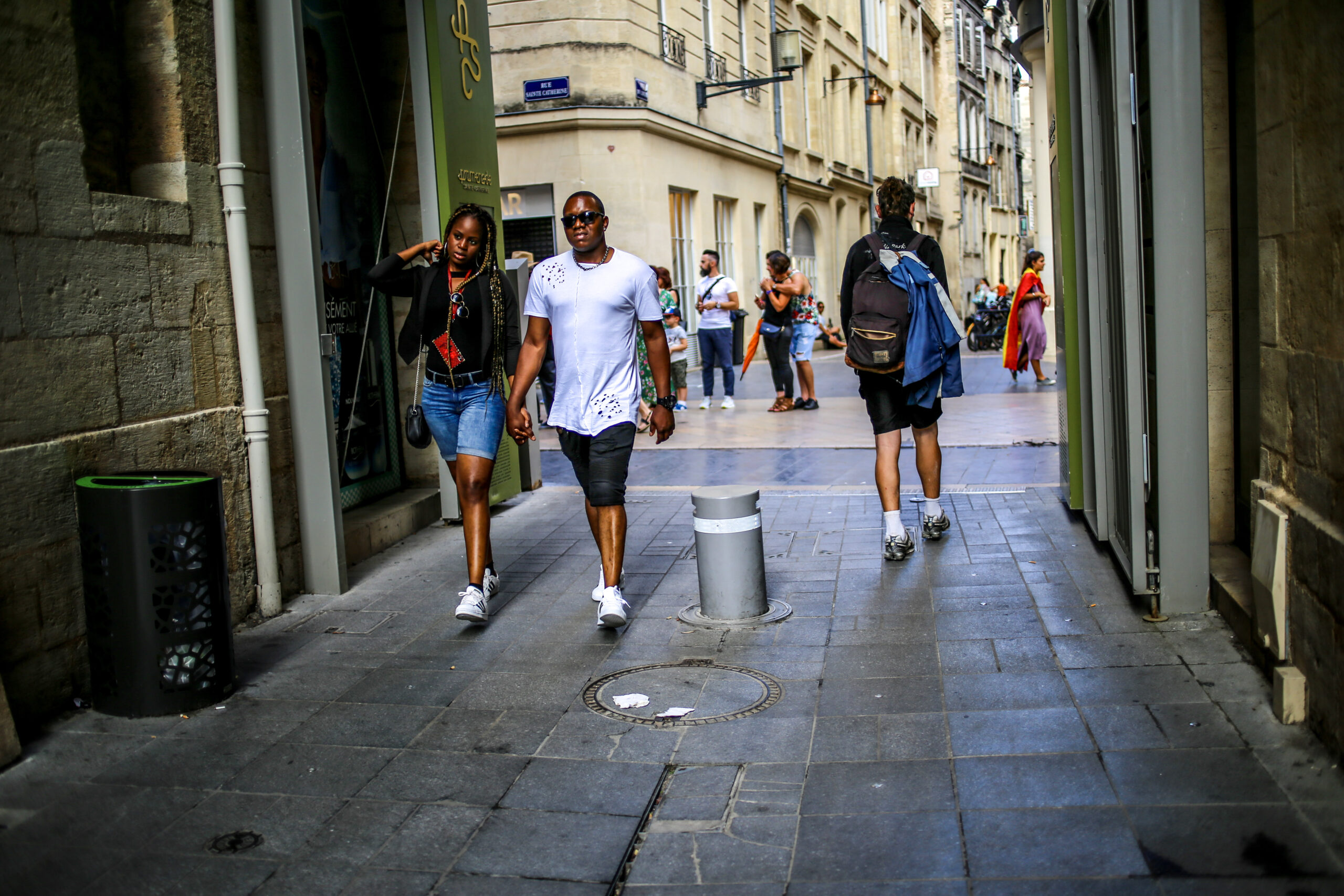
A shaded side lane off Rue Sainte-Catherine in Bordeaux looking out onto the sunlit shopping street, with a couple walking hand in hand toward the camera

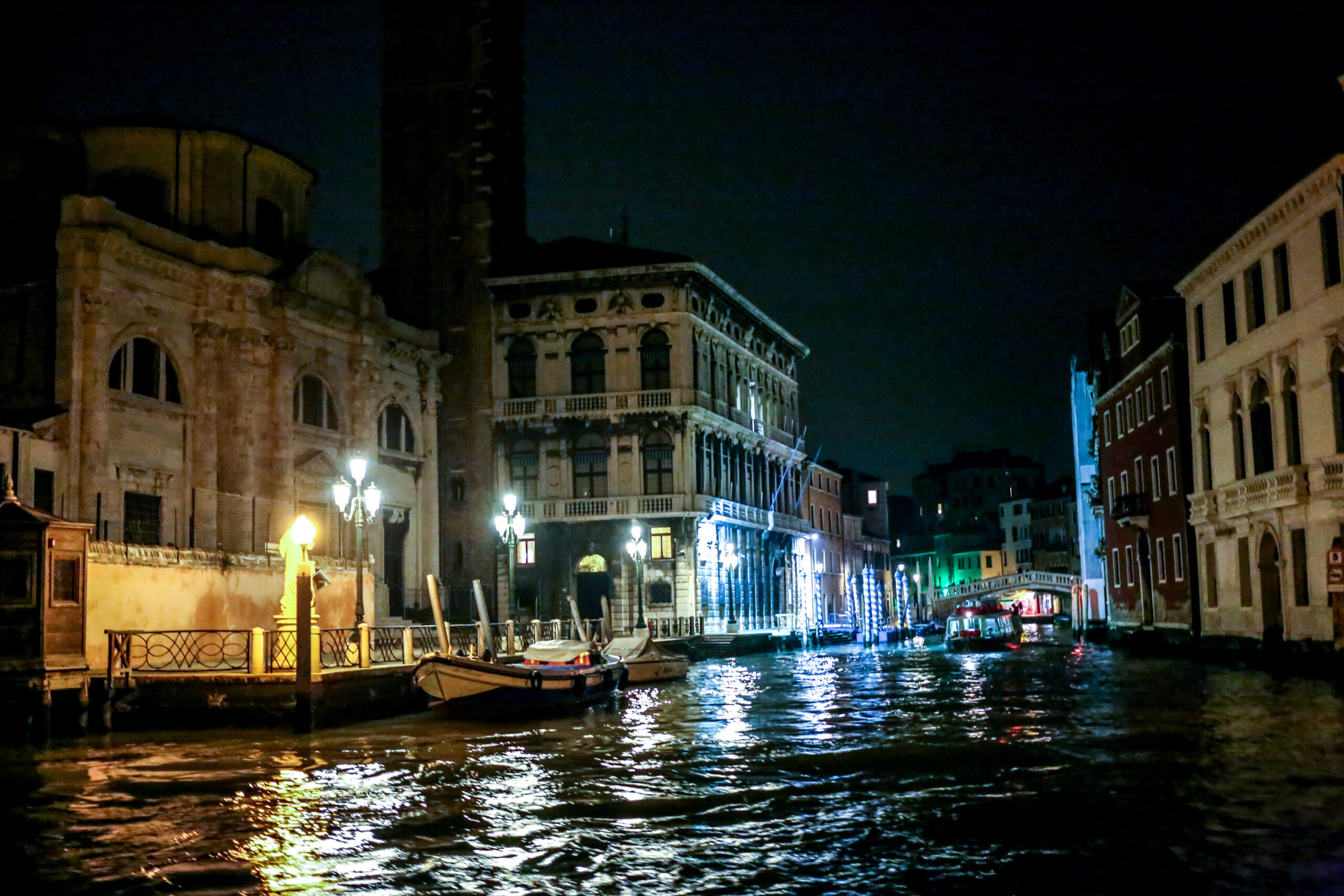
A Venetian canal at night seen from the water, lamps and mooring poles reflected in the ripples beside a lit palazzo
Frame 04. Venice from the water, some time after the last of the day boats have gone in.

Frame 04 · Venice, from the water

The cheapest night tour in Italy costs the price of a ticket

Three light sources are fighting in this frame and all three win. Warm sodium on the left, cold white washing the palazzo façade in the middle, green neon somewhere past the bridge. The canal takes all of it and smears it into ribbons, and because the surface never repeats, no two exposures of the same stretch of water are the same picture.

This is handheld from a moving boat, which is the whole recommendation. Ride the vaporetto down the Grand Canal after ten, sit at the back where the rail gives you something solid to brace against, and let Venice come to you. Half the city is asleep and the other half is on the boat with you, going home.

Water is the only surface in Europe that gives you a different photograph every four seconds, free of charge.

Frame 05 · Munich, blue hour

Twenty minutes, and then it is just a dark square

The Platzl in the evening is a small stage. The Hofbräuhaus takes one side of it, an Irish pub takes the other, and the tables in between fill with people who mostly arrived for one and stayed for the other. What holds the frame together is the balance: the lamps inside the beer hall have come up to full strength while the sky is still bright enough to read as blue.

That balance lasts about twenty minutes in summer and less in winter. Be standing in position before it starts, because you cannot chase it. Ten minutes later the sky is black, the windows are blown out, and the square looks like a car park with beer in it.
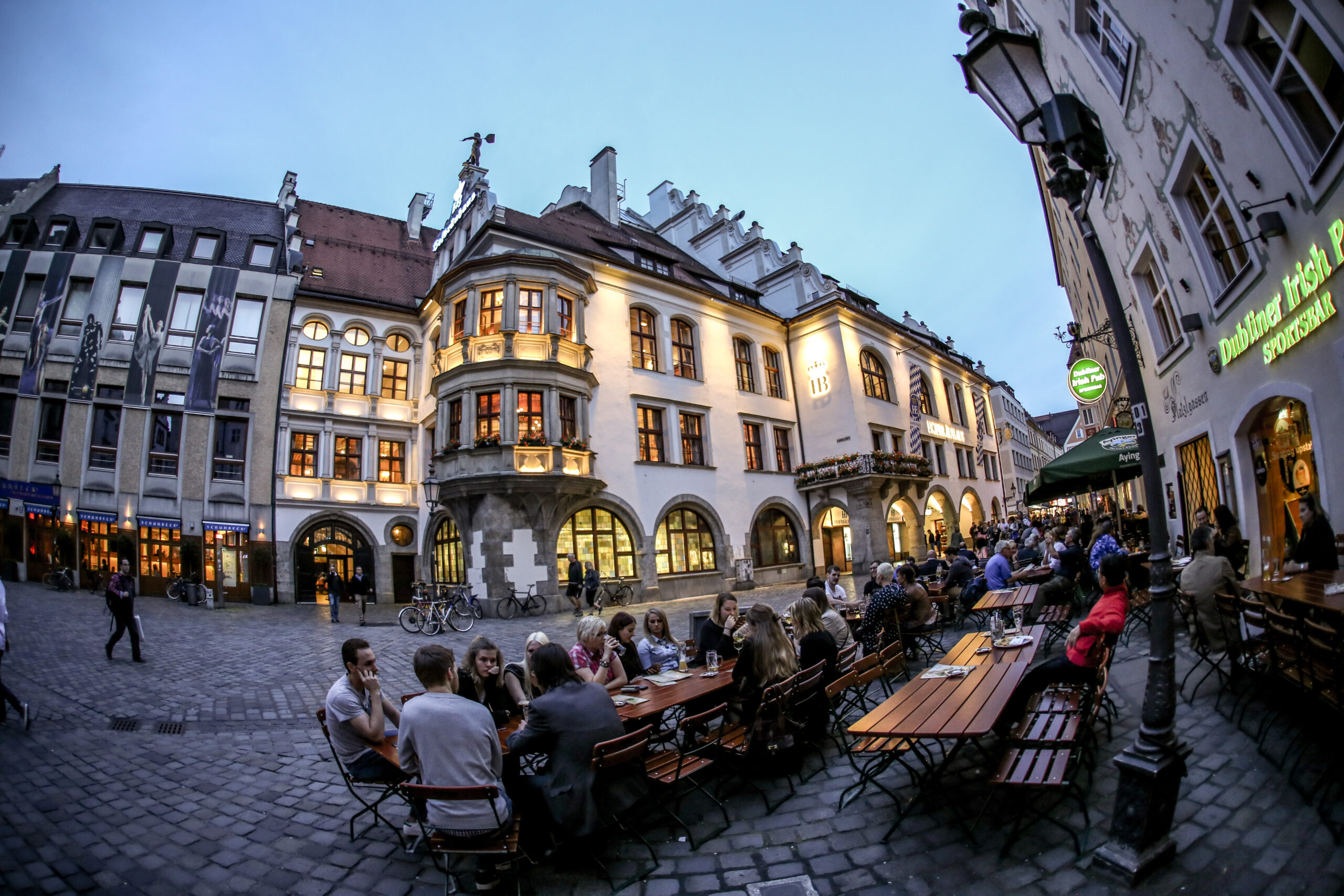
The Platzl in Munich at dusk, the lit facade of the Hofbrauhaus above long beer garden tables full of people

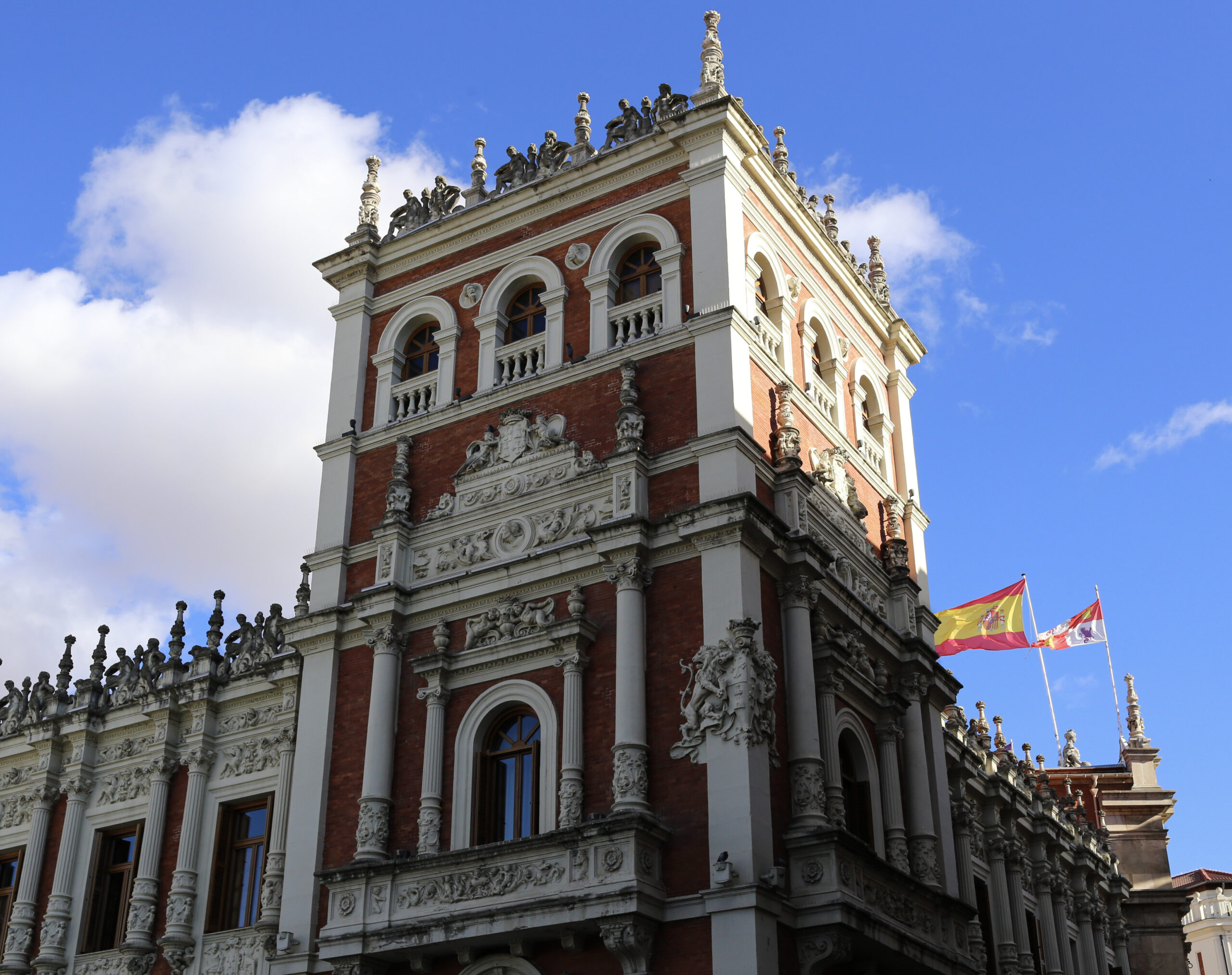
The upper storeys of an ornate brick and white stone civic palace in Castile and Leon, statues along the parapet, Spanish and Castilian flags flying

Frame 06 · Castile, mid morning

The building I never wrote the name of

Two flags fly from the corner, Spain and Castilla y León, so this is a provincial capital and the building is almost certainly a seat of local government. I walked past it, looked up, took four frames and kept walking. The name went unrecorded and I have never managed to pin it down since, which is either sloppy or the most honest thing in this piece.

It hardly matters for the hour. Early Spanish sun comes in low and sideways, and low sideways light is what turns carved stone from a flat white wall into a wall with depth. Every urn, every crouching figure along that parapet has a shadow underneath it. At two in the afternoon the same façade would have photographed like a wedding cake.


What to take from this

Noon is not a write-off

Save cloisters, tiled courtyards, deep arcades and church interiors for the middle of the day. Hard light needs walls to bounce off, and those places are built out of walls.

Blue hour rewards the punctual

Check sunset, subtract nothing, and be in position at sunset itself. The window where lamps and sky agree opens shortly after and closes fast.

Walk the squares late

Between about ten and midnight, historic centres hand themselves back. Venice does this better than anywhere, and it costs nothing beyond staying awake.

Put yourself in shadow

On a busy street, back into a lane or a doorway and expose for the bright end. You get a natural frame, and nobody notices you standing there.

Book the place. Then decide the hour.

Filed Under: News

Reader Interactions

Leave a Reply Cancel reply

Your email address will not be published. Required fields are marked *

Footer

Recent Posts

  • Sintra at Noon, Venice at Midnight: Six European Cities and the Hour That Suits Them
  • Porto’s Chestnut Season Is the Shoulder Season Worth Booking
  • Venice at Night Is the Version No Access Fee Covers
  • The 18th-Century Fountain Hidden Inside Bordeaux’s Customs Museum Courtyard
  • The Bilbao Effect, 500 Years Early: Jerónimos Monastery And The Guggenheim
  • Bilbao’s Quiet Renaissance: From Industrial Port to Design Destination
  • Lisbon’s Seven Hills: A Walking Guide That Tells You the Truth
  • New Orleans: An American City That Plays by Different Rules
  • Ha Long Bay Without the Cruise Brochure
  • Istanbul at the Threshold: A City That Has Always Been Two Things at Once

Travel Marketing

  • Travel Marketing
  • Peppers.org
  • Ancient Rome
Why Lisbon Cafés Are Putting Up No Laptops Signs: Coffee, Instagram, and the Remote Work Terrace
Four in Ten Travelers Visit Landmarks Mainly for the Photo: How Instagram and Reels Reshaped Tourism
Why Comporta Still Feels Empty: The Rice Estate Behind Portugal’s Most Coveted Beaches
Travel in 2026: Five Photos That Explain the Year’s Real Trends
Tiny Tourism: Why Travellers Are Choosing Towns Nobody Photographs
In Defence of the Hop-On Hop-Off Bus
EasyJet Agrees £5.7bn Apollo Takeover: What Changes for Passengers and What Doesn’t
Taormina Beach Guide: Mazzarò, Isola Bella, and What Nobody Tells You About the Pebbles
Juliet’s Balcony in Verona Was Added in the 1930s and the Crowds Do Not Care
St Mark’s Basilica in Venice: The Gold Mosaics Are Dimmer Than the Photographs Suggest
Bistecca alla Fiorentina, Sold by the Kilo and Sliced Too Soon
Every Food Festival Has One Chokepoint, and It’s the Condiment Table
Confessions of a Salad Cynic: How Fiery Mexican Bean Salad Made Me Reconsider Rabbit Food
How Tabasco Sauce Is Made
The Rustic Perfection of a Freshly Baked Country Loaf
A Plate of Bold Contrasts: Avocado Toast with Seared Beef and Red Pepper Sauce
Gravlax, Guacamole and Ciabatta, A Countertop Still Life
Rigatoni with Meatballs, A Bowl That Knows What It’s Doing
Ciabattas, 240°C, No Time to Wait
A Seoul-Inspired Lunch That Arrives Like a Little Ceremony
Roman Concrete in Museum Fragments: What the Cross-Section Actually Shows
Roman Sarcophagi Spent More Time as Fountains and Church Tombs Than as Graves
Aquincum Museum Reconstructs 16 Roman Faces From Skulls Found on Budapest's Danube Frontier
Roman Public Latrines Reveal an Empire That Built Sanitation Without Achieving Hygiene
Who Cleaned Roman Rome: The Social Economy of Waste
Water Across the Empire: Roman Aqueducts and the Hydraulic Logic of Conquest
The Pont du Gard: Rome's Most Perfect Structure
The Oath of the Horatii: David's Roman Republic in Paint
Spartacus: Blood and Sand — History as Exploitation
Spartacus (2010–2013): The Show That Earned Its Excess

Media Partners

  • Brands to Shop
  • pho.tography.org
  • Marketing Development
Grey Wool, Navy and One Red Knit: How to Shop This Night Street Look
Mirrored Sunglasses and Chrome Nails: How to Shop the Blue Metallic Creator Look
Navy Striped Polo Dress and Straw Hat: How to Shop the Beach Cover-Up Look
Pastel Sports Bra and High-Waist Leggings: How to Shop the Matched Activewear Look
Red Strappy Sandals and a Red Mini Bag: What to Buy to Copy This Look
The Black Tee and Beat-Up Jeans: How to Buy Street Style's Most Durable Formula
Why Europeans Look Put Together in Casual Clothes: The Rules Hiding in a Madrid Street Photo
Binoculars Buying Guide: What to Buy When You're Not a Birder
Cream Shearling Coat, Black Chelsea Boots: How to Shop This Italian Street Look
Black and White Striped Wide-Leg Trousers: Where to Shop the Whole Look
Shooting Wide Open at Night: Why a Fast Prime Beats a High ISO Body
Theatre Light Is a Trap: Metering, Shutter Speed and Silent Mode for Stage Photography
Shooting Through a Wet Train Window: Focus, Reflections, and the One Pass You Get
Robot Photo Booths at Events: What a Rolling Ring Light Can and Cannot Shoot
The Art of the High-Angle Cutaway: How a Two-Person Crew Covers a Whole City From One Balcony
Him, Her: A Photograph That Works Like a Renaissance Diptych
Photo Walks: Why a Group of Twenty Photographers Shoots Less Than One Person Alone
Subject Isolation on the Beach: Canon RF 135mm f/1.8 vs EF 135mm f/2
Long Lens Reach on a Budget: Cheap Glass, Crop Bodies and Whether You Need a Monopod
Ring Lights in Daylight: How Close You Have to Be for On-Axis Fill to Work
Social Media Marketing: Why Follower Growth Rewards a Repeatable Format
The Photo Walk as Brand Activation: Twenty Attendees, Hundreds of Assets, and Almost No Media Spend
AI Tools and Live Events Top 2026 Marketing Budgets: Brands Are Funding the Slop and the Escape at Once
Class A Malls Are Beating E-Commerce and the Dome Is Why
Silicon Valley's Two Percent Joke and the Real Gender Numbers at Tech Conferences
Tour Buses Are Ad Inventory: What a Madrid City Tour Wrap Actually Sells
VIP Marketing at Conferences: Why Executive Programs Fail the Executives
Which Websites Survive AI Search and Which Ones Don't
Pena Palace, Venice, and Prague: Four Travel Frames That Skip the Standard Angle
Stunt Marketing Economics: What a Street Activation Actually Buys and How to Price It

Copyright © 2022 VirtualTravelGuide.com

Market Analysis & Market Research